Rotary Global Grant Strengthens Rehabilitation in Sri Lanka
Since 2001, the Centre for Handicapped in Kandy, Sri Lanka has provided life-changing rehabilitation services to underprivileged individuals living with disability. What began as a prosthetic limb manufacturing facility has grown into a comprehensive rehabilitation centre serving individuals across the country.
Through the Global Grant project titled Improvement of Rehabilitation Services for the Underprivileged Disabled Community in Sri Lanka, Rotary partners have significantly strengthened the Centre’s capacity to restore mobility, improve vision, and create pathways to independence.
Expanding Prosthetic Production
Artificial limbs are manufactured on site at the Centre, with diabetics representing the largest group of recipients. The Centre also serves individuals affected by road accidents, construction injuries, war, and landmines.
This project provided essential raw materials and equipment to increase prosthetic production, including:
Rubber compound for prosthetic foot manufacturing
Plaster of Paris powder for limb fabrication
Transtibial and transfemoral stockinets for limb users
POP bandages used in prosthetic and orthotic casting
Polypropylene sheets used in limb production
Photographs document the receipt of these materials as well as the prosthetic feet manufactured through the project, demonstrating tangible outcomes and expanded capacity.
Strengthening Physiotherapy and Eye Care Services
Recognizing that many diabetic patients also face vision challenges, the project expanded services beyond limb production.
The Centre received:
A Digital PD Meter for accurate eye measurements
Equipment to support eye examinations and the provision of eyeglasses
An infrared lamp and an electric adjustable bed for the Physiotherapy Unit
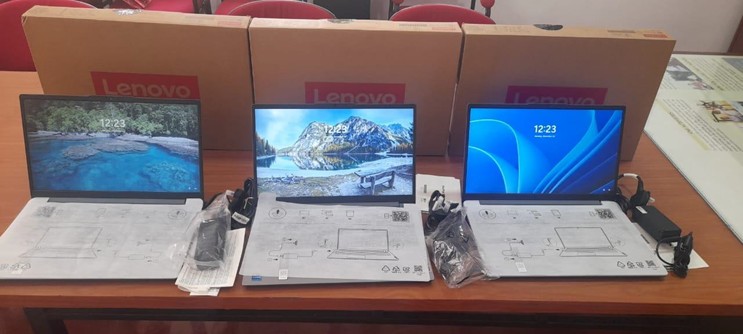
Laptop computers and a multimedia projector to improve training and operational efficiency
These additions allow the Centre to provide more comprehensive, integrated rehabilitation services.
Awareness and Prevention Programs
A key component of the project focused on education, prevention, and empowerment.
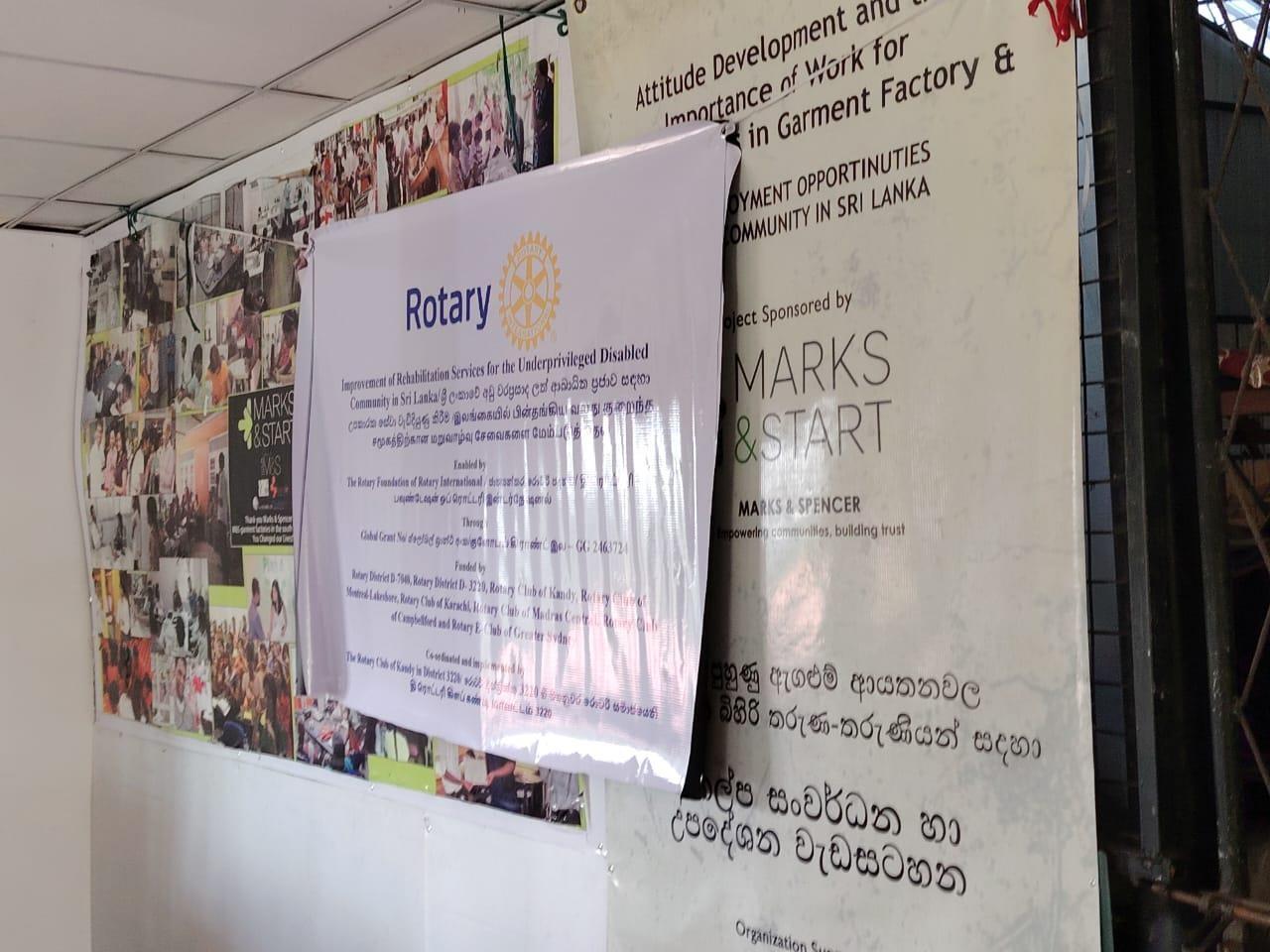
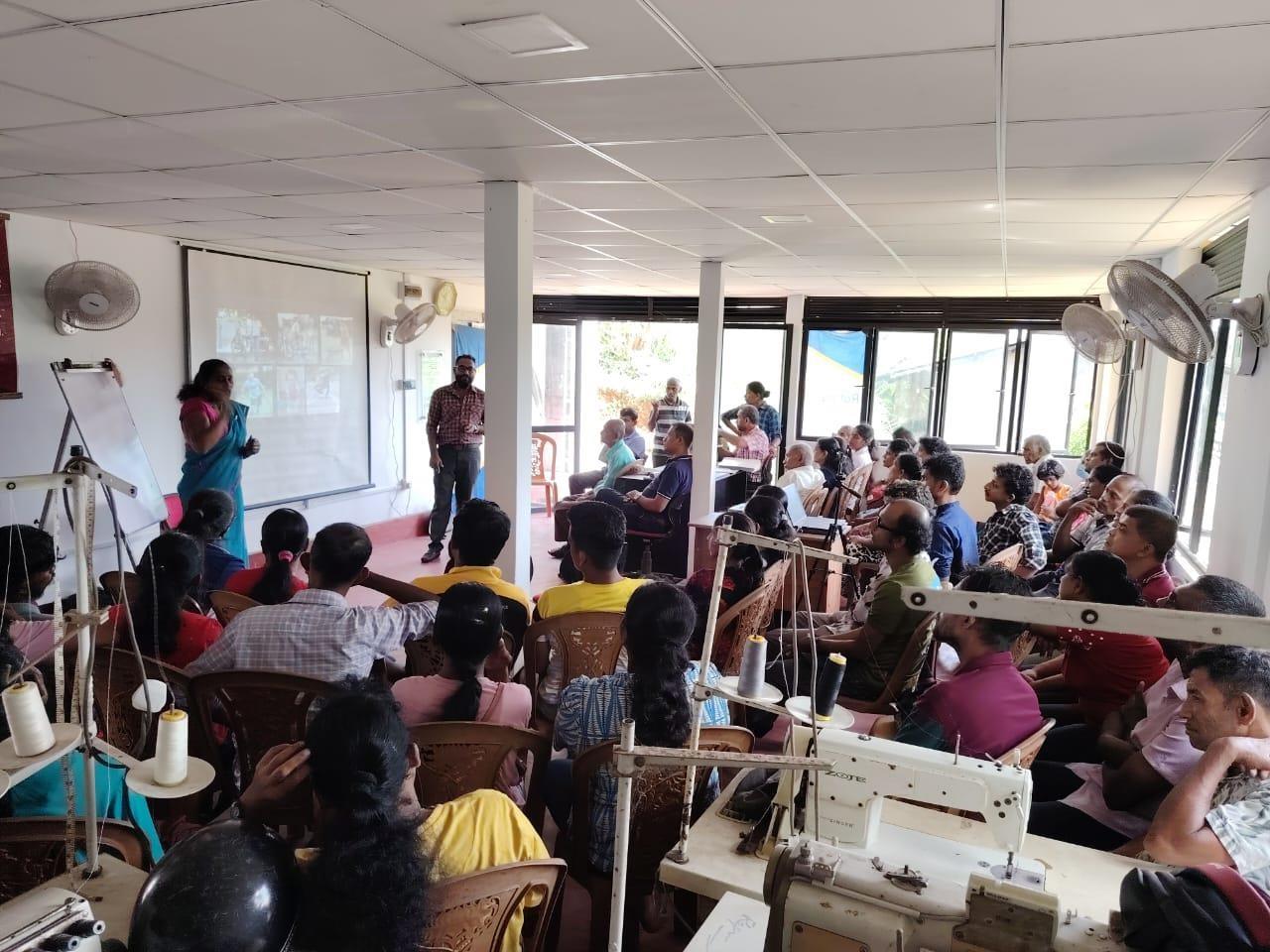
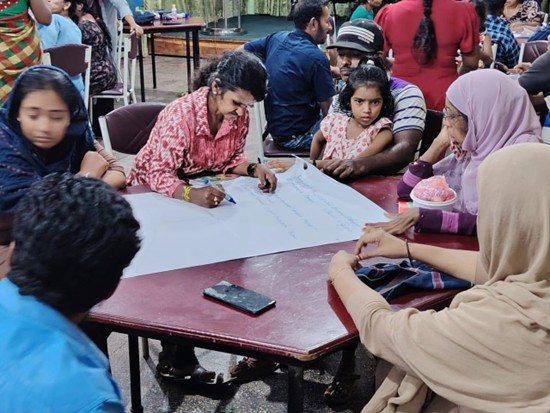
Self-Employment Development for Persons with Disabilities
Six programs were planned, and three have been successfully completed.
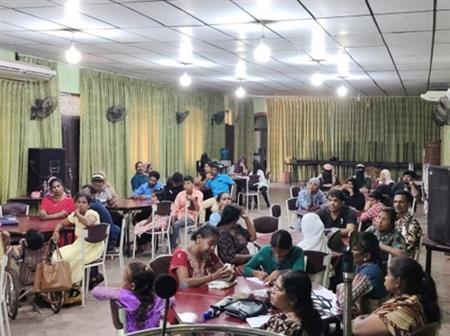
Disabled Awareness Programmes were conducted at:
Sumaga Ruhunu Circle of the Deaf, Matara on 8 June 2025, reaching 53 beneficiaries
Navajeewana Rehabilitation Centre, Tangalle on 20 June 2025, reaching 52 beneficiaries
Kulakootan Hall, Trincomalee on 19 July 2025, reaching 49 beneficiaries
These programs promoted independence, vocational opportunities, and community inclusion.
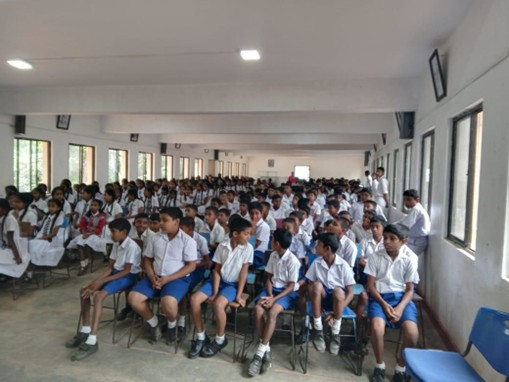
Diabetes Prevention Awareness for School Children
Five programs were planned, and two have been completed to date.
Programs were held at:
Dharmaloka Maha Vidyalaya, Dambarawa on 4 August 2025, reaching 227 participants including 200 students and 27 staff. Medical tests were conducted for staff members.
Rajasinghe National School, Panwila on 6 August 2025, reaching 295 participants including 250 students and 45 staff. Medical tests were also provided for staff.
An art competition under the theme “Diabetes Prevention” was held at both schools to reinforce awareness through student engagement and creativity.
Investing in Staff Capacity
Sustainable impact requires trained professionals. Four staff members at the Centre successfully completed the International Diploma in General Psychology and Counselling, enhancing the Centre’s ability to provide holistic rehabilitation and emotional support to clients.
A Global Rotary Partnership
This project was made possible through a strong international collaboration led by the Rotary Club of Cataraqui-Kingston in partnership with the Rotary Club of Kandy and supported by Rotary District 7040, Rotary District 3220, the Rotary Club of Montreal-Lakeshore, Rotary Club of Karachi, Rotary Club of Madras Central, Rotary Club of Campbellford, and the Rotary E-Club of Greater Sydney.
The Global Grant is expected to be completed by the end of 2025.
Through improved rehabilitation services, enhanced prevention education, and strengthened staff capacity, this project is restoring mobility, protecting vision, and creating opportunity for hundreds of individuals and families across Sri Lanka.
 |  |  |
 |  |  |
Redonner mobilité, vision et autonomie au Sri Lanka
Depuis 2001, le Centre for Handicapped à Kandy, au Sri Lanka, offre des services essentiels de réadaptation aux personnes handicapées issues de milieux défavorisés. Ce qui a commencé comme un atelier de fabrication de prothèses est devenu un centre de réadaptation complet desservant des bénéficiaires à travers le pays.
Grâce au projet de Subvention mondiale intitulé Amélioration des services de réadaptation pour la communauté défavorisée vivant avec un handicap au Sri Lanka, les partenaires du Rotary ont considérablement renforcé la capacité du Centre à redonner mobilité, améliorer la vision et créer des occasions d’autonomie.
Augmentation de la production de prothèses
Les membres artificiels sont fabriqués sur place. Les personnes atteintes de diabète représentent le plus grand groupe de bénéficiaires, mais le Centre sert également des victimes d’accidents de la route, d’accidents de travail, ainsi que des personnes touchées par la guerre et les mines terrestres.
Le projet a permis l’achat de matières premières et d’équipements essentiels, notamment :
Composé de caoutchouc pour la fabrication de pieds prothétiques
Poudre de plâtre de Paris pour la fabrication des membres
Bas tubulaires transtibiaux et transfémoraux pour les usagers
Bandages de plâtre utilisés dans le moulage en orthèse et prothèse
Feuilles de polypropylène utilisées dans le processus de fabrication
Des photos documentent la réception de ces matériaux ainsi que les pieds prothétiques fabriqués grâce au projet, démontrant concrètement l’impact de cette initiative.
Renforcement des services de physiothérapie et de soins oculaires
Sachant que plusieurs personnes diabétiques souffrent aussi de problèmes de vision, le projet a élargi l’offre de services.
Le Centre a reçu :
Un pupillomètre numérique pour des mesures oculaires précises
De l’équipement pour les examens de la vue et la fourniture de lunettes
Une lampe infrarouge et un lit électrique ajustable pour l’unité de physiothérapie
Des ordinateurs portables et un projecteur multimédia pour améliorer la formation et les opérations
Ces ajouts permettent d’offrir une approche de réadaptation plus complète et intégrée.
Programmes de sensibilisation et de prévention
Une composante importante du projet porte sur l’éducation, la prévention et l’autonomisation.
Développement de l’auto-emploi pour les personnes handicapées
Six programmes étaient prévus et trois ont été réalisés avec succès.
Des programmes de sensibilisation ont eu lieu à :
Sumaga Ruhunu Circle of the Deaf, Matara, le 8 juin 2025, rejoignant 53 bénéficiaires
Navajeewana Rehabilitation Centre, Tangalle, le 20 juin 2025, rejoignant 52 bénéficiaires
Kulakootan Hall, Trincomalee, le 19 juillet 2025, rejoignant 49 bénéficiaires
Ces activités visaient à promouvoir l’indépendance économique et l’inclusion communautaire.
Sensibilisation à la prévention du diabète chez les élèves
Cinq programmes étaient prévus et deux ont été complétés.
Les activités ont été tenues à :
Dharmaloka Maha Vidyalaya, Dambarawa, le 4 août 2025, rejoignant 227 participants, dont 200 élèves et 27 membres du personnel. Des tests médicaux ont été offerts au personnel.
Rajasinghe National School, Panwila, le 6 août 2025, rejoignant 295 participants, dont 250 élèves et 45 membres du personnel. Des tests médicaux ont également été réalisés pour le personnel.
Un concours d’art sur le thème « Prévention du diabète » a été organisé dans les deux écoles afin de renforcer l’apprentissage par la créativité.
Développement professionnel du personnel
Pour assurer un impact durable, quatre membres du personnel ont complété avec succès un Diplôme international en psychologie générale et en relation d’aide. Cette formation renforce la capacité du Centre à offrir un accompagnement psychosocial en plus des services physiques de réadaptation.
Un partenariat international du Rotary
Ce projet est le fruit d’une collaboration internationale dirigée par le Rotary Club of Cataraqui-Kingston, en partenariat avec le Rotary Club of Kandy et appuyée par le Rotary Club of Montreal-Lakeshore, le Rotary Club of Karachi, le Rotary Club of Madras Central, le Rotary Club of Campbellford et le Rotary E-Club of Greater Sydney.
La Subvention mondiale devrait être complétée d’ici la fin de 2025.
Si vous le souhaitez, je peux aussi vous préparer une version légèrement plus chaleureuse et inspirante, adaptée à un public québécois, ou une version plus concise pour un bulletin ou les médias sociaux.