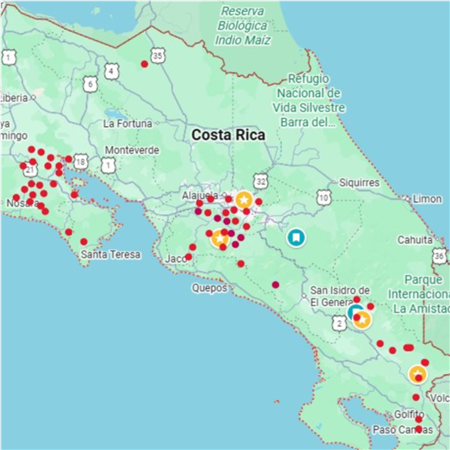
Open a map of Costa Rica and you'll see the dots. They cluster across the country, each one marking a community where Rotary has shown up. Pacific coast villages. Mountain towns. Neighbourhoods on the outskirts of larger cities. Sixty-five communities in total.
Each dot is a Rotary project. Each project is a story of clean water, a small business loan, a classroom resource, a health initiative. Put together, they're the story of what one Canadian Rotary club has done in Costa Rica over the last 18 years.
What the Dots Represent
- 23 projects completed over 18+ years
- 65 communities touched, both rural villages and urban neighbourhoods
- ~99,000 people impacted (35,000 across rural communities, 64,000 in urban areas)
- $740,000 CAD in total project value
Almost 100,000 lives. And the map keeps growing.
Where the Money Comes From
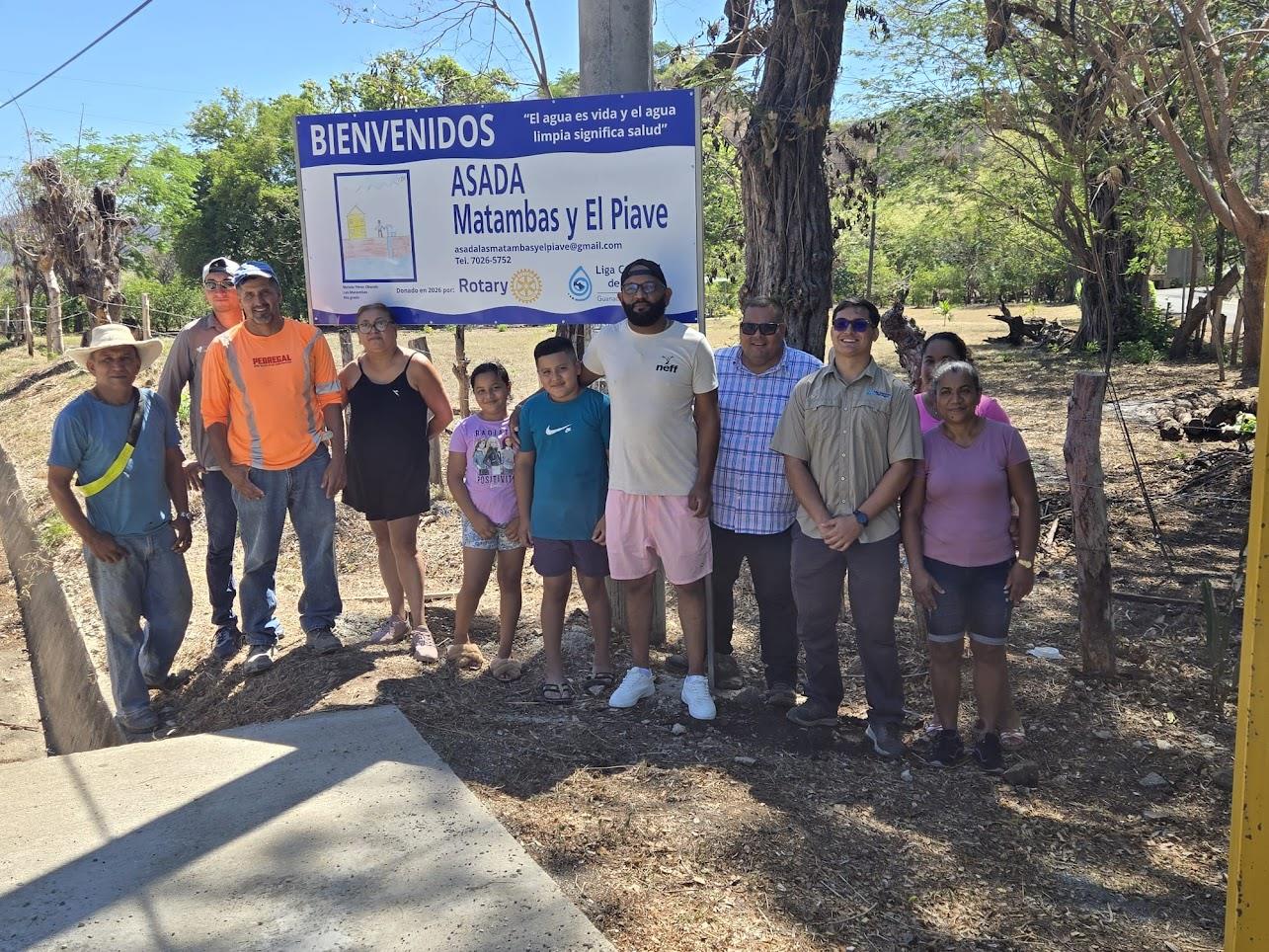
One of the most powerful parts of this story is the leverage. The Rotary Club of Lethbridge and its partner clubs have contributed $210,000 in club cash over 18 years. The projects themselves are worth $740,000. The difference is The Rotary Foundation.
- 17 direct-funded projects: $110,000 in club cash, delivered through District Grants and direct giving
- 6 Global Grant projects: $650,000 in total value, built from just $100,000 in club cash
That's roughly 3.5 dollars of impact for every dollar the club has invested. It's also a reminder of why The Rotary Foundation matters: club giving doesn't just fund projects, it unlocks them, multiplied by matching dollars from districts, partner clubs, and the World Fund.
What Kind of Work?
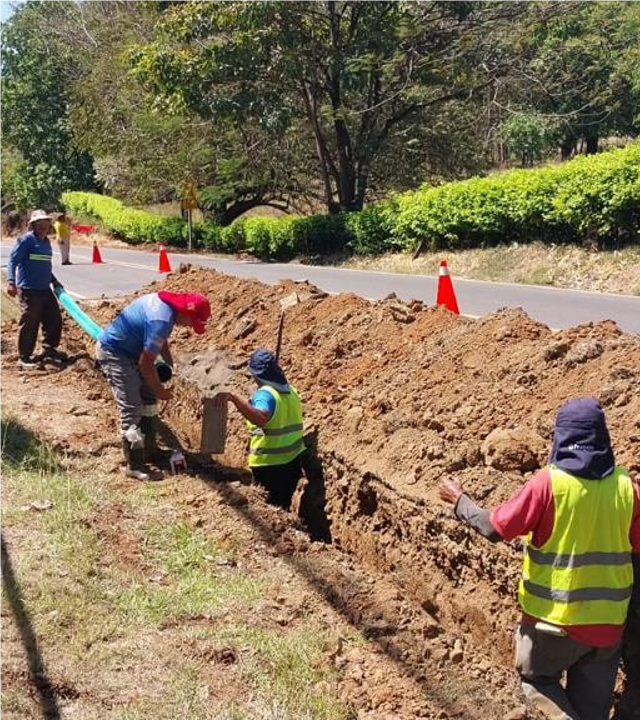
The 23 projects span four areas, chosen with input from the communities themselves.
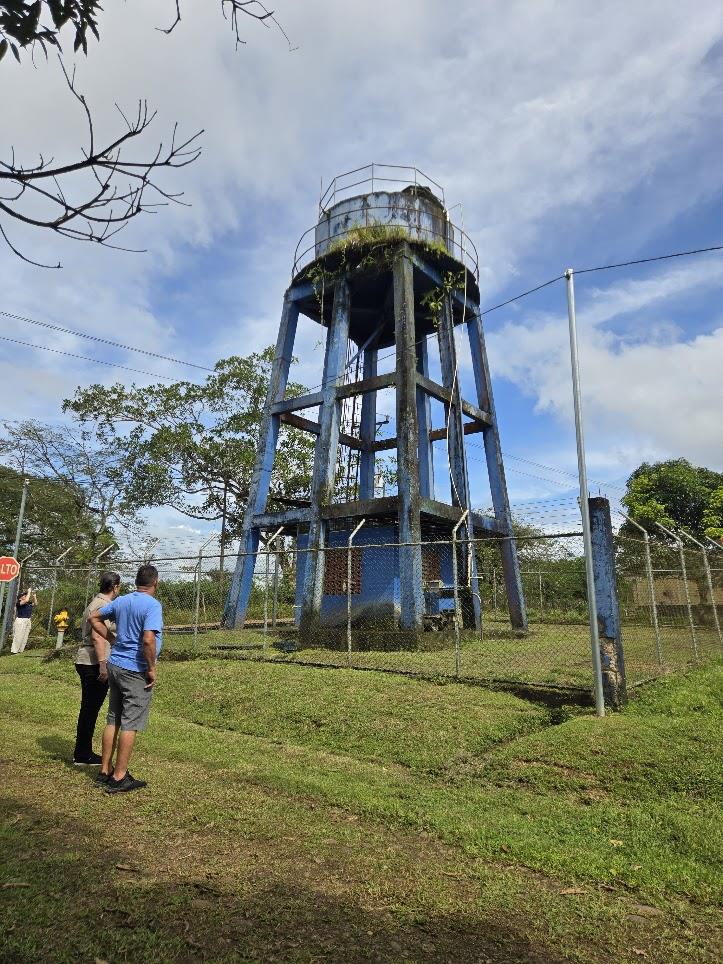
- Water (5 projects, $555,000): the largest category by dollar value. Clean water systems for rural communities, including tanks, pipe networks, pumps, chlorination, and household meters.
- Microcredit (3 projects, $146,500): small-business loans that build local economies and lift families out of poverty.
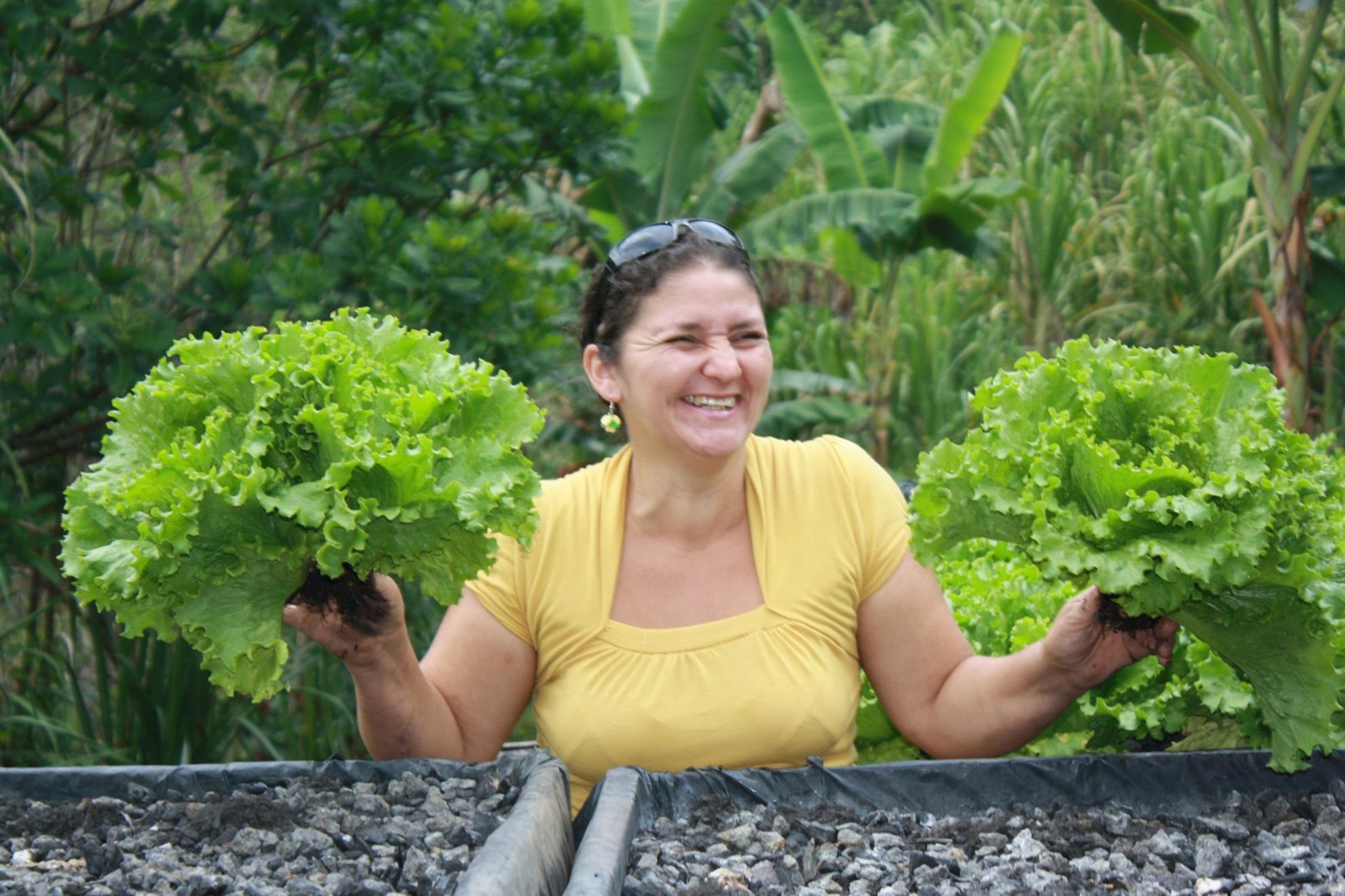
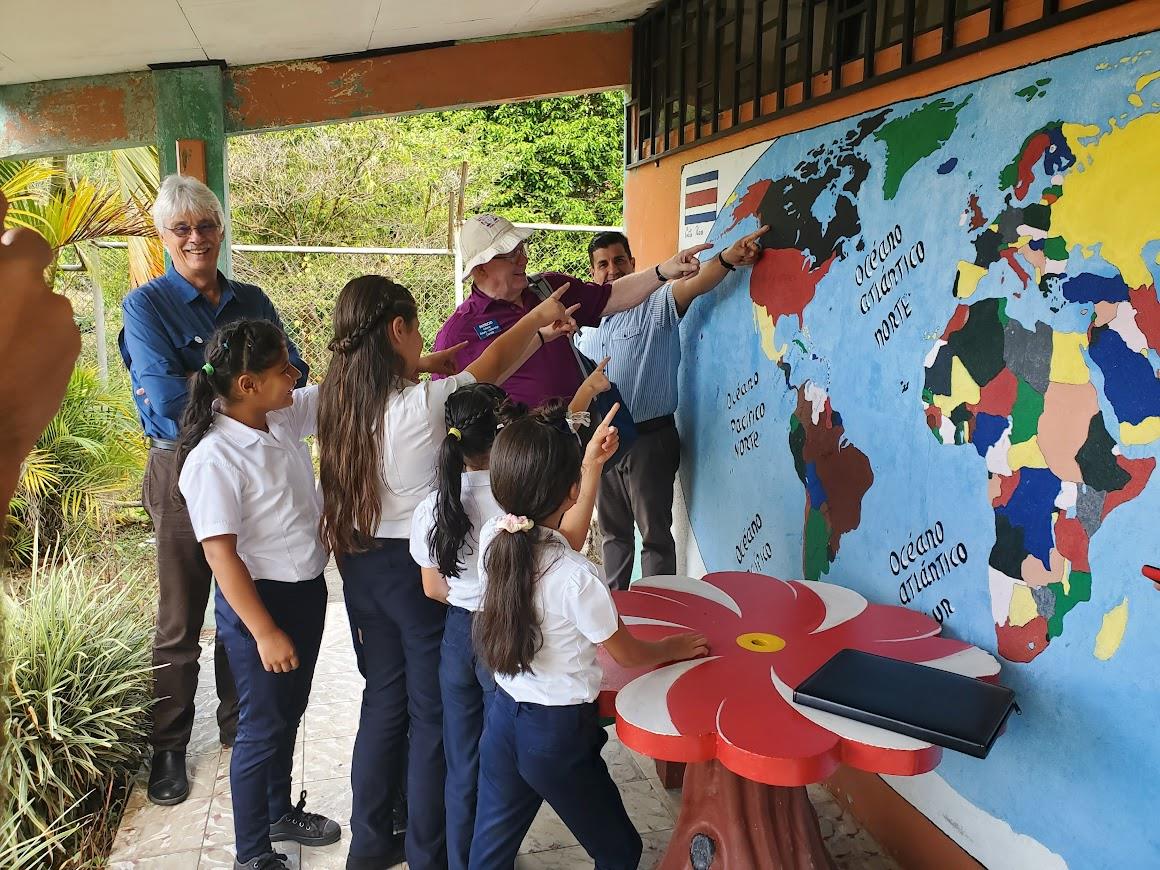
- Education (12 projects, $24,000): the largest category by project count. School support, learning resources, and capacity-building.
- Health (3 projects, $24,800): targeted health initiatives in underserved communities.
Different scales, different focuses. But the same underlying principle: respond to what each community has identified as the next thing it needs.
Why It Matters
Long-term international service doesn't happen by accident. It happens because a club shows up, year after year, in the same country, with the same partners. They earn trust, build relationships, and learn what works.
That's what makes Global Grant projects possible. That's what turns the clubs' $210,000 into nearly three-quarters of a million dollars of community impact. And that's what 65 dots on a map of Costa Rica actually represent: not just projects, but two decades of presence.
The Bottom Line
23 projects. 18+ years. 65 communities. 99,000 lives. $740,000 in impact.
One Rotary club, its partners, and a map that keeps adding new dots.